
Supply Chains Are Under Constant Pressure
In today’s global economy, supply chains are more interconnected and more vulnerable than ever before. Businesses rely on the smooth movement of goods across ports, borders, and warehouses to meet customer expectations and maintain profitability. However, disruptions such as damaged cargo, theft, cargo mishandling, transit accidents, and natural disasters have become increasingly common.
In this environment, marine insurance plays a critical role in protecting businesses from financial loss and operational disruption under Corporate Insurance Solutions In Dubai. It is no longer just a compliance requirement; it is a strategic tool that helps businesses keep their supply chains resilient, even in unpredictable conditions.
Why Supply Chains Are More Vulnerable Today
Modern supply chains face risks at every stage of transit.
- Extreme weather events and natural disasters
- Theft, pilferage, and cargo mishandling
- Accidents during loading, unloading, or transit
Even a single cargo incident can impact customer commitments and create significant financial losses.
What Is Marine Insurance?
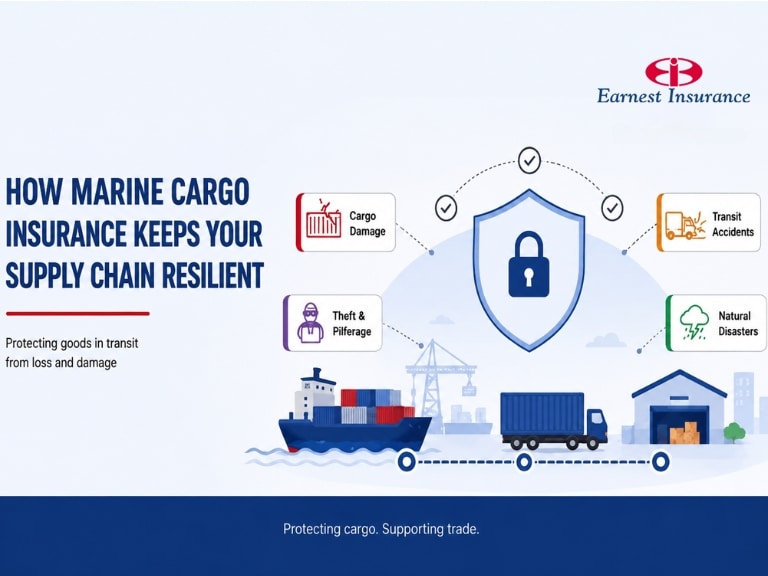
Marine insurance provides financial protection for goods while they are being transported by sea, air, road, or rail. It covers cargo against loss or damage from the point of origin to the final destination.Rather than preventing incidents, marine insurance ensures that businesses can recover financially and continue operations when transit related risks occur.1. Cargo Damage
Goods may be damaged due to rough handling, poor storage conditions during transit, moisture, or accidents during transit.2. Theft and Pilferage
High-value shipments are vulnerable to theft, especially during transit or storage at ports and warehouses.3. Transit Accidents
Collisions, vessel grounding, or transportation accidents can result in partial or total loss of cargo.4. Natural Disasters
Storms, floods, and other natural events can damage or destroy shipments.The Real Impact of Supply Chain Disruptions
Supply chain incidents are not just logistical problems they have direct business consequences.
Financial Impact
- Loss or damage to goods
- Increased replacement and re-shipping costs
- Contractual penalties and claims
- Reduced profit margins
Operational Impact
- Production delays
- Missed delivery deadlines
- Inventory shortages
Reputational Impact
- Loss of customer trust
- Strained relationships with distributors and retailers
- Long-term damage to brand reliability
Without adequate insurance, these impacts can severely strain a business’s finances and operations.
How Marine Insurance Strengthens Supply Chain Resilience
1. Protects the Value of Goods in Transit
Marine insurance ensures that the financial value of goods is protected throughout the journey—from the port of origin to the final warehouse. This protection reduces the financial shock caused by unexpected losses.2. Ensures Business Continuity
When insured losses occur, businesses can recover faster without disrupting cash flow. Insurance payouts help replace goods quickly and keep supply chains moving.3. Reduces Financial Uncertainty
Supply chain disruptions often lead to unplanned expenses. Marine insurance converts uncertain, potentially large losses into manageable, predictable risks.4. Supports International Trade and Expansion
For importers and exporters, marine insurance provides confidence to trade across borders. It reduces exposure to risks associated with long-distance shipping, unfamiliar routes, and overseas handling.5. Enhances Credibility With Partners and Customers
Having marine insurance demonstrates professionalism and risk awareness. It reassures suppliers, customers, and financial partners that the business is prepared for transit-related risks.Types of Marine Insurance Coverage
Marine insurance policies can be tailored based on business needs and shipment types.Common coverage options include:
- Cargo insurance for loss or damage
- Transit insurance for domestic and international shipments
- Warehouse-to-warehouse coverage
- Coverage for specific voyages or annual open policies